Greensboro’s yards have a particular rhythm. Red clay that grabs your boots after a rain. Summers that swing from lush to crispy. Maple leaves that drift into azaleas each fall, then winter’s quick freeze that nips anything tender. If you want a yard that looks good without constant drama, you need a plan that respects the Piedmont climate and your wallet. I’ve helped homeowners across Guilford County spend smart on landscaping, and the same patterns show up again and again: what to splurge on, what to stage over time, and where Greensboro’s conditions either help you or fight you.
This guide walks through realistic budgets for common project types, with examples based on actual local pricing ranges. I’ll cover where you can do a little sweat equity, where to insist on professional help, and how to stretch a dollar without building a maintenance nightmare. You’ll also find design notes that fit the soil, slopes, and HOA expectations of typical neighborhoods here. Whether you’re exploring landscaping in Greensboro NC for a starter home or a larger property, these numbers and trade-offs will keep you out of the money pit.
What drives cost in Greensboro
The soil. The slope. The square footage. Those are the big three. Greensboro’s red clay compacts fast and drains slowly, so prep work matters more than many homeowners expect. An hour with a walk-behind aerator can do more for your turf than a fancy fertilizer. Sloped front yards, common in older neighborhoods like Sunset Hills and Westerwood, add labor and may require retaining or terracing if you want a patio or level lawn area. Finally, the sheer size of beds and lawns dictates how much mulch, sod, or plants you’ll buy. A small change in bed depth or edge length can swing your cost by hundreds.
Local labor rates for reputable crews typically land between 35 to 60 dollars per labor hour per person, depending on insurance, equipment, and experience. Materials fluctuate with fuel prices and season, but some typical Greensboro numbers look like this: pine straw at 6 to 8 dollars per bale installed, double-shredded hardwood mulch at 55 to 70 dollars per cubic yard installed, quality fescue seed around 2 to 3 dollars per pound, and sod ranging from 0.55 to 1.25 dollars per square foot installed depending on variety and site complexity. Plants vary wildly, yet a reliable anchor shrub in a 3-gallon container often runs 35 to 55 dollars installed, while a 15-gallon specimen could be 175 to 350 dollars installed.
If you want the best landscaping in Greensboro NC for your budget, set priorities early. Decide where you need instant impact, such as a front walk flanked by evergreens, and where you can let plants size up over two or three seasons.
Budget example 1: front yard refresh under 2,500 dollars
This is the classic curb appeal facelift for a small to mid-size front yard. It’s ideal if you already have a mowable lawn but the beds lack definition, the plantings feel sparse, and the front walk could use some framing.
Scope
- Edge and re-shape two existing foundation beds totaling about 120 square feet. Remove tired shrubs, keep anything healthy and appropriately sized. Install 12 to 16 new shrubs in 3-gallon containers, focusing on evergreen structure with seasonal color. Add two cubic yards of mulch. Add a new steel or aluminum bed edging on the street-facing side for crisp lines.
Expected cost range
- Demolition and prep: 200 to 400 dollars, more if there’s stubborn root removal. Plants and installation: 800 to 1,400 dollars depending on species. Mulch and edging: 300 to 500 dollars. Labor for shaping, planting, cleanup: 600 to 900 dollars.
Total: 1,900 to 3,200 dollars, with most landing just under the 2,500 dollar mark if plant sizes and counts are managed carefully.
Greensboro plant palette that works For the front of a home in full best landscaping in greensboro nc to part sun, use a backbone of compact evergreens, then layer in reliable bloomers that handle our humidity:
- ‘Soft Touch’ holly or ‘Shamrock’ inkberry for low evergreen mounds near steps and corners. Dwarf yaupon holly or boxwood substitutes like ‘Green Mountain’ for neat form without constant shearing. Encore azalea for a spring and late-season bloom, but give it morning sun and decent drainage to avoid root issues. Switch out thirsty perennials for tough ones like catmint, salvia, rudbeckia, and daylily, which can manage the summer heat if mulched.
Design details that matter Use a slightly deeper bed at house corners to anchor height, then taper toward the front door. Elevate foundation plantings above grade by two inches with compost-amended soil to improve drainage against the brick or siding. If you’re in a neighborhood with deer pressure near the watershed areas, pick deer-tolerant varieties or plan on repellent during establishment.
Where to DIY Spreading mulch and installing steel edging are doable for most homeowners with a flat spade and patience. Save the money to upgrade a few plants to 5-gallon size at the front entry for more instant impact.
Budget example 2: new backyard patio and planting at 8,000 to 14,000 dollars
Backyards in Greensboro often have a gentle slope, clay under the topsoil, and a patchwork of sun exposure thanks to mature trees. A patio adds daily value, but the prep defines the outcome. Skip proper base and you’ll see heaving, pooling, or the slow creep of pavers out of alignment.
Scope
- A 12 by 16 foot paver patio with a compacted gravel base, polymeric sand joints, and a simple soldier-course border. One step transition to lawn at the low side, plus corrections for minor slope. Perimeter bed with 20 to 30 shrubs and perennials for privacy and pollinator interest. Low-voltage path lighting, four to six fixtures. New hose spigot splash zone gravel or stepping stone to keep mud down.
Expected cost range
- Site prep and base installation: 2,000 to 3,500 dollars. Pavers and edging: 2,200 to 4,000 dollars depending on style. Labor: 2,500 to 4,000 dollars for a two to three person crew over several days. Plantings and mulch: 1,200 to 2,500 dollars. Lighting: 600 to 1,000 dollars installed.
Total: 8,500 to 15,000 dollars. Choosing a simple paver pattern and skipping a retaining wall usually keeps it closer to the lower end.
Local material notes Polymeric sand performs well in our freeze-thaw cycles if the base is sound and the joints are fully compacted. For the base, aim for a minimum of 6 inches of compacted crusher run over geotextile fabric, more if your soil stays soggy. In shaded yards with oak or maple leaf drop, choose textured pavers that don’t get slick when damp. For plantings around the patio, I often use abelia ‘Kaleidoscope’ for long-season color and pollinator appeal, switchgrass ‘Northwind’ for upright screening without flopping, and hellebores under partial shade for winter interest.
Where to DIY You can save a few hundred dollars by handling plant installation and mulch once the patio crew finishes. If you lay the lighting wire yourself, have a professional make the transformer connections for warranty and code compliance.
Budget example 3: irrigation and lawn rehab at 3,000 to 6,500 dollars
Greensboro fescue lawns look great in March and April, then fade fast by July without smart watering and shade management. If your yard gets 4 to 6 hours of direct sun in the growing season, you’ll need strategic irrigation to keep it lush.
Scope
- Aeration and overseeding with a quality tall fescue blend in September or early October. Starter fertilizer and a light topdressing in high-traffic areas. A four to six zone irrigation system, primarily rotors in open areas and matched-precipitation sprays around beds, with a smart controller that adjusts for weather. Basic head-to-head coverage tuning and a rain sensor.
Expected cost range
- Aeration, seed, fertilizer, topdressing: 450 to 1,000 dollars depending on size. Irrigation materials and installation: 2,500 to 5,500 dollars based on zone count and trenching needs. Controller and rain sensor: 250 to 500 dollars.
Total: 3,200 to 7,000 dollars, with small lots and simple layouts staying closer to 3,500 to 4,500.
Greensboro quirks Our clay can clog spray heads with fines if trenches aren’t backfilled and flushed carefully. Ask your installer to pressure test and flush lines before installing nozzles. Place heads far enough from sidewalks and drives to avoid overspray that bakes off in summer; wasted water shows up as scale on concrete and disappoints on your water bill.
Fescue vs. warm-season turf Many homeowners ask if Bermuda or zoysia would be cheaper to maintain. In full sun, hybrid Bermuda can be a great choice, but it will creep into beds and needs regular edging. Zoysia tolerates some shade but not as much as fescue, and it goes straw-colored in winter. If your front yard has big trees, fescue usually wins, and the right irrigation schedule saves money by targeting early morning deep watering two to three times per week in July and August rather than nightly sprinkles.
Budget example 4: sloped yard terracing and drainage at 12,000 to 25,000 dollars
Slopes amplify problems. Water moves faster, mulch floats, and mowing becomes dicey. A well-built terrace with modest retaining solves all three and opens space for entertaining or gardening.
Scope
- Two small timber or block walls, each 24 to 30 inches tall, stepped with integrated drains and weep holes. Grading to capture runoff and redirect toward a swale or dry creek bed. 300 to 450 square feet of sod or seed on the new level areas. Native-style planting to stabilize the upper slopes.
Expected cost range
- Walls and drainage: 8,000 to 16,000 dollars, heavily dependent on access for equipment. Grading and soil work: 2,000 to 4,000 dollars. Planting and erosion control (jute netting, plugs): 1,200 to 3,000 dollars.
Total: 12,000 to 25,000 dollars. If your wall exceeds 36 inches, budget for engineering, permits, and possibly larger block systems or geogrid, which can push total higher.
Greensboro materials and water flow Segmental block holds up well when installed on a compacted base with geogrid reinforcement. Timber looks friendly and warm but has a shorter lifespan and can invite carpenter ants. If your downspouts dump onto a slope, extend them beneath the terrace with solid pipe to daylight, then finish with a riprap or river rock apron to slow runoff.
Plant selection for stabilization Use grasses and shrubs that knit the soil. Little bluestem, switchgrass, and lowbush blueberry handle heat and poor soils. For sun, juniper ‘Blue Pacific’ will creep and hold slopes, while in part shade, sweetspire and oakleaf hydrangea root deeply and spread moderately. Aim for coverage rather than specimen drama, since erosion control depends on density.
Budget example 5: full landscape design and installation for a new build at 18,000 to 45,000 dollars
New construction in Greensboro often means compacted subsoil and minimal topsoil. That’s not a death sentence, but it rewards a phased approach so the site can breathe, settle, and reveal water patterns after the first storm season.
Scope
- Professional landscape plan with plant list, hardscape layout, and lighting scheme. Front foundation beds with a mix of evergreen structure and seasonal color. Backyard patio or deck interface, small path, and one focal tree with underplanting. Irrigation for key zones, with future stubs for later expansion. Soil work, including targeted compost incorporation and a 2 to 3 inch mulch layer.
Expected cost range
- Design services: 800 to 3,000 dollars depending on complexity and deliverables. Plant materials and installation: 8,000 to 18,000 dollars. Hardscape: 6,000 to 16,000 dollars. Irrigation and lighting: 3,000 to 8,000 dollars.
Total: 18,000 to 45,000 dollars, with most suburban lots falling between 22,000 and 35,000, especially if you choose mid-range pavers and right-sized plant material.
Smart staging If the budget feels tight, install front yard plants and hardscape first, then seed the backyard with a temporary fescue mix while you save for the patio. Run conduit beneath any future walkways now, so you can add lighting later without tearing up pavers. For the best long-term result, invest in soil prep over plant size. A 5-gallon evergreen placed in well-amended soil will overtake a 7-gallon planted in hardpan within two years.
Where homeowners overspend, and where to invest instead
I see a handful of common money traps in landscaping Greensboro projects. Overplanting beds with too many small shrubs drives up costs now and pruning bills later. Choosing high-maintenance exotics that hate our humidity wastes money on replacements. Skimping on base materials under patios or walls guarantees future repair bills.
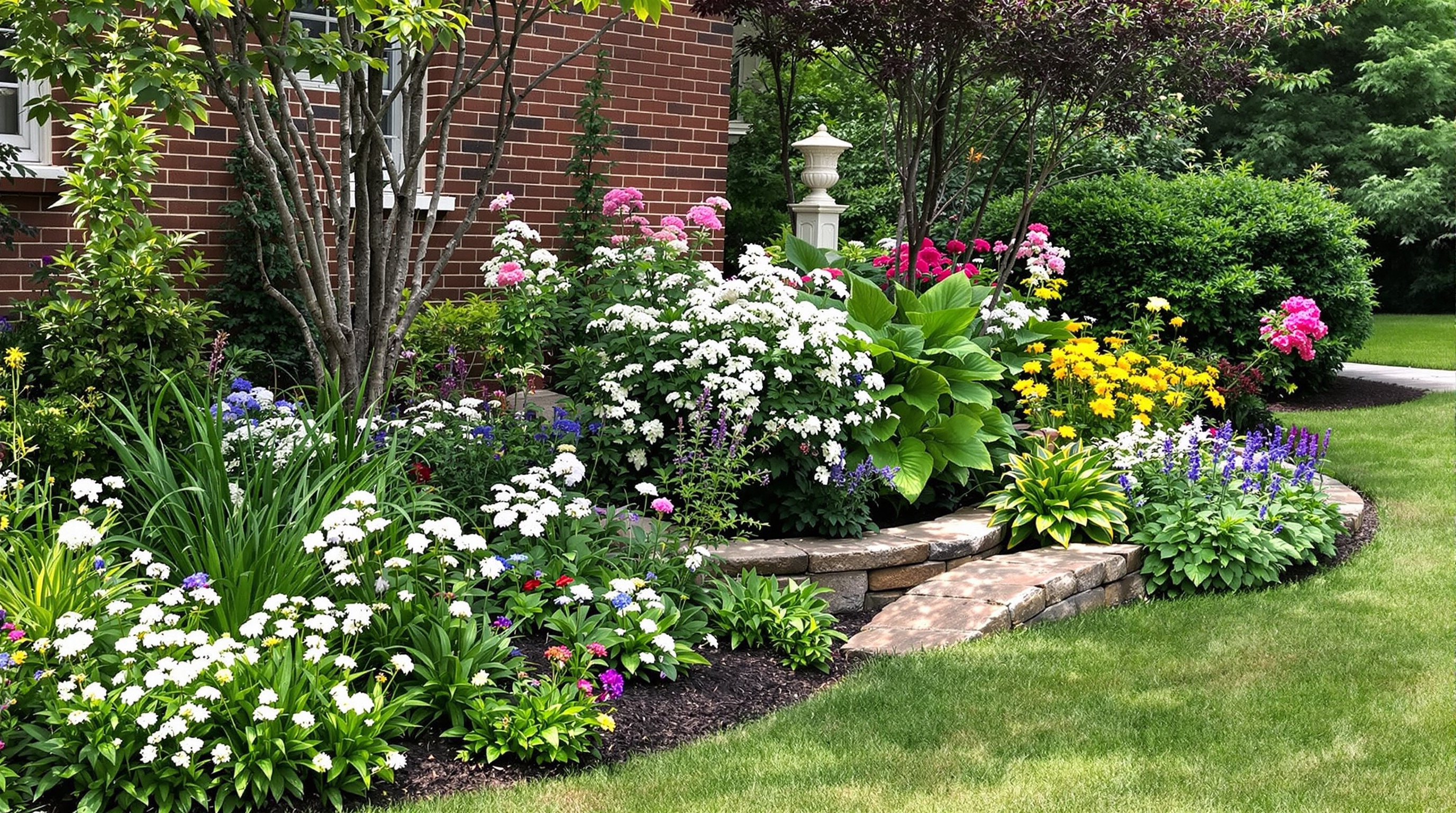
Better places to invest
- Site prep and drainage. A small swale or a French drain costs hundreds now and prevents thousands in washout and foundation headaches. Focal plants near entries. One well-placed evergreen or a small ornamental tree like a ‘Little Gem’ magnolia carries a front yard and makes every other plant work harder. Smart irrigation. A weather-based controller can reduce water use by 20 to 30 percent, which matters in July and August when usage spikes. Edge restraint. Steel or paver edge keeps lines crisp and mulch where it belongs, even after big storms.
Seasonal timing in Greensboro
You can plant almost any time the ground isn’t frozen, but timing shapes both survival and cost. For shrubs and trees, late fall into early winter usually delivers the best root establishment. Growers often discount material after the spring rush, so October to December frequently offers the best balance of price and plant performance. For fescue, seed in September or early October. Lay Bermuda or zoysia sod from late spring through summer when soil temperatures stay warm, but water deeply and consistently during establishment.
Mulching is best in late spring, once the worst of the oak pollen and seed pods have fallen. In areas prone to washout, a shredded hardwood mulch stays put better than pine straw on slopes, though straw is still a great choice for flat areas and under pines.
When to call a pro versus DIY
Homeowners can handle quite a bit with rented tools and a good plan, especially cleanup, bed edging, and planting small material. Once excavation, significant grading, wall building, or gas and electrical work enter the picture, hire licensed and insured help. For irrigation, Greensboro’s backflow requirements and inspections mean it’s safer to use a certified installer. If you’re interviewing companies for landscaping in Greensboro NC, ask about soil prep specifics, base thickness for hardscapes, and warranty terms for plants and labor. The best landscaping companies will happily explain their process and steer you toward durable choices that fit our climate.
Hidden costs that sneak up
Delivery fees and minimums add up, especially if you’re staging small purchases over several weekends. Plan bigger, less frequent deliveries when possible. Equipment access can swing a budget by thousands. If a backyard requires wheelbarrow access through a narrow gate with two steps, crews will need more labor hours or smaller equipment. Testing and amending soil isn’t glamorous, but a basic soil test from the state lab can redirect fertilizer dollars and prevent plant stress. If your site has compacted subsoil, budget for a one-time deep-tine aeration or strategic topsoil delivery under turf areas. You’ll save on irrigation and revive root systems that actually breathe.
A realistic homeowner case: 10,000 dollars for a high-impact year
Let’s say you live in Starmount Forest with a slightly sloped lot, decent Bermuda lawn in front, and a back yard that turns to mud after big thunderstorms. You want a space for four chairs and a fire pit, cleaned up foundation beds, and something special at the front walk. Here’s how I’d spend 10,000 dollars.
Start with drainage, not decor. Regrade the back corner that collects water, directing flow to a 20-foot dry creek bed lined with river rock, then tie two downspouts into solid PVC that daylights at the creek. That might be 2,000 to 3,500 dollars depending on access. Next, a modest 12-foot circular gravel patio with steel edging and compacted base at 2,500 to 3,500 dollars. Gravel holds up well in our freeze-thaw cycle, drains quickly, and costs far less than pavers. Add four low-voltage bollard lights to guide the path back there for 600 to 800 dollars installed.
Up front, re-shape the beds, remove tired shrubs, and install a dozen evergreen anchors with two small Japanese maples as focal points. Expect 2,500 to 3,200 dollars including mulch and edging. Reserve 500 to 800 dollars for perennials and annual color near the entry. Keep a thousand in contingency for permitting surprises, extra rock, or the moment you realize the hose bib needs an extended splash zone to stop mud.
What you get is better water management, a usable outdoor room, and curb appeal that homeowners notice within a week. It’s not the most expensive landscaping Greensboro residents can buy, but it feels like a transformation precisely because it solves nagging problems first and elevates the everyday.
The Greensboro plant short list that earns its keep
When someone asks for the best landscaping in Greensboro NC, they usually want plantings that look good most of the year, survive hot spells, and resist diseases that thrive in our humidity. Here are reliable categories and a few proven performers across microclimates:
- Evergreen structure: inkberry holly (compact cultivars), dwarf yaupon holly, hybrid hollies like ‘Oakland’, tea olive for fragrance near a patio, and ‘Vintage Jade’ distylium where you’d otherwise consider boxwood. Flowering shrubs for partial shade: oakleaf hydrangea, sweetspire, and fragrant abelia that can handle morning sun and afternoon shade. Sun-loving color that doesn’t melt in July: salvia ‘Caradonna’, catmint ‘Walker’s Low’, daylily in repeat-blooming lines, hardy lantana for season-long bloom, and coneflower where deer pressure is light. Grasses and movement: switchgrass ‘Northwind’, little bluestem, muhly grass for fall haze, and sedge in wetter pockets. Trees that fit suburban lots: serviceberry for early bloom and berries, crape myrtle in mildew-resistant cultivars, ‘Little Gem’ magnolia for evergreen charm, and urban-tolerant elm varieties where you need filtered shade.
Pick sizes carefully. A trio of 7-gallon evergreens at your front entry speak louder than a dozen 1-gallon plants tucked everywhere. In backyards, larger shade trees are worth a small crane fee if it means proper placement and instant canopy.
How Greensboro’s HOAs shape choices
Many HOAs in the Triad don’t nitpick species, but they do care about neat edges, weed control, and heights near sidewalks and sightlines. Before installing a wall or significant patio, check setback rules. Some HOAs limit visible gravel or require edging that matches the community’s appearance. You can keep a naturalistic planting under the radar by maintaining crisp boundaries along lawn edges and front walks. The eye reads intention when it sees clean lines paired with layered plantings.
Stretch your budget with smart phasing
Plants grow, patios don’t. Use that difference to your advantage. If you must choose between a small patio now or a larger one later, consider building the complete base and edge restraint now, then installing half the pavers. You’ll avoid rework and you can add pavers in a Saturday with a helper. For plantings, install the evergreen backbone first, then add perennials the following season. Run irrigation stubs under any future walk or retaining wall ahead of time. Most importantly, measure and sketch. A simple scaled drawing with bed depths and plant spacing prevents last-minute impulse purchases that blow the budget and crowd your design.
What “best” really looks like in Greensboro landscaping
The best landscaping Greensboro residents can buy isn’t defined by the fanciest stone or the largest instant trees. It looks cohesive year round, drains after a downpour, and fits how you live day to day. On a summer evening it gives you shade, a place to sit, and room for the dog to loop the yard. In winter, the bones still hold: evergreens with layered texture, a hardscape that doesn’t heave, lighting that guides the path without glare. Maintenance becomes steady rather than frantic, because the design respects the climate and soil instead of fighting them.
If you gather a few bids, ask each company to break out line items for prep, materials, and labor. Have them note plant sizes and quantities, base depths for hardscape, and the controller model for irrigation. Numbers mean more when you can compare apples to apples. A thoughtful plan and grounded expectations make it possible to get high-quality landscaping in Greensboro NC at almost any budget tier. Start with the site, spend on the backbone, and let the landscape grow into itself. That is how you spend once, enjoy for years, and avoid the cycle of ripping out and replacing every few seasons.