Every season in Greensboro reshapes the way a yard behaves. Spring wakes up red clay that holds water like a sponge. Summer punishes anything shallow-rooted. Fall drops leaves faster than you can bag them. Winter does that Southern freeze-thaw shuffle that heaves pavers and exposes poor grading. After years walking properties from New Irving Park to Adams Farm and out toward Summerfield, I’ve seen the same landscaping mistakes repeat. The good news is most of them are preventable if you plan for our soil, our weather, and the way homeowners actually use their spaces.
This is a practical guide built from jobs that went right and a few that didn’t. If you’re searching for the best landscaping in Greensboro NC, or just want to stop fighting your yard, use these lessons to save time, money, and a lot of back-and-forth with contractors.
Greensboro’s yard reality: climate, soil, and quirks that matter
Greensboro sits in the Piedmont, which means humidity you can taste in July, occasional drought spells in August, and episodic downpours that dump an inch or more in a single hour. Our average annual rainfall hovers around 45 inches, but it rarely arrives gently. Rooflines, driveway slopes, and that familiar brick-and-crawlspace architecture complicate the picture. You need a landscape that sheds water quickly, survives heat, and still offers four-season interest.
The other constant is red clay. It’s nutrient-friendly once amended, but it starts dense and poorly drained. Clay shrinks when it dries and swells when it’s wet, which is rough on shallow roots, walls, and patios. If you treat Greensboro clay like loam, you’ll fight fungal issues, washed-out mulch, and plant death that looks like overwatering one day and underwatering the next.
Mistake 1: Planting like you live in the mountains or at the coast
A lot of plant palettes in glossy magazines love mountain rhododendrons or coastal grasses. Both can look beautiful, but they misbehave in Piedmont yards when you copy them wholesale. I once replaced a front bed in Lindley Park that was full of high-elevation azaleas, set shallow in clay with no airflow. They bloomed once, got lace bug, browned in July, and never recovered.
Better to lean on plants that match our heat, humidity, and soil temperament. You can still go bold, just choose performers with stamina. For sun, think coneflower, black-eyed Susan, and switches of muhly or little bluestem. For shade, hellebores, autumn fern, and oakleaf hydrangea handle our cycles. If you like an evergreen backbone, southern wax myrtle and American holly give structure without fuss. Swap thirsty turf patches for zoysia or tall fescue blends that tolerate clay and bounce back after summer.
Greensboro neighborhoods vary on deer pressure and microclimates. Low spots in Lake Jeanette stay cooler, but also wetter. South-facing brick near College Hill radiates heat and cooks shallow beds. Let those details guide you. The best landscaping in Greensboro NC doesn’t use a one-size list, it tunes selections to the site.
Mistake 2: Ignoring drainage until a storm tests it for you
Standing water near a foundation is the fastest way to invite rot, termites, and a damp crawlspace. You can’t see drainage on a sunny day, which is why it gets ignored. I set a simple rule on every job: before we add a plant or a paver, we sketch the water’s path. Roof to downspout, downspout to grade, grade to drain point. If any step reads like “ponds near the house,” we fix it first.
The classic Greensboro fix is a French drain or a surface swale, but those are only as good as their outlet. If your yard sits below the street, you can’t make water flow uphill. Sometimes the right move is to relieve the volume before it hits the problem area. A 95-gallon rain barrel on each downspout can delay the surge during a thunderstorm. A dry creek bed lined with river rock can carry water across a lawn while looking intentional. For beds that get hammered by roof runoff, a catchment of large cobbles under the dripline protects soil and mulch.
Slopes add an extra wrinkle. Many yards in Greensboro pitch toward the back, ending at a fence line and a neighbor’s shed. If you concentrate water there with hardscaping, you’ll create a neighbor issue fast. When we regraded a property off Friendly Avenue, we softened the fall with two gentle terraces and ran a perforated drain to a pop-up emitter halfway down the yard to distribute flow. No berms against the fence, no surprise ponds next door.
Mistake 3: Overmulching and smothering root zones
Mulch seems harmless, so people pile it on. On clay, thick mulch stays wet and turns sour. I still see shrubs set like cupcakes in volcano mounds that trap moisture at the trunk. That’s an invitation to rot and pests. Keep mulch at two to three inches, taper it away from stems, and understand that fine hardwood mulch compacts more than pine straw.
If you want low-maintenance, pine straw shines under azaleas, camellias, and dogwoods. It breathes, it’s light, and it doesn’t migrate as badly in a storm if you tuck the edges. For beds that get flushes of fast water, large-shred bark or a mix of stone and mulch stands up better. In a side yard off Lawndale, we used 1 to 3 inch river gravel in a band where a downspout discharged, blending to pine straw under shrubs. The bed still looked cohesive, and we didn’t have to rake mulch out of the lawn after every storm.
Mistake 4: Planting too deep
This might be the most common killer of new trees in Greensboro. Red clay is sneakily forgiving during planting, so it’s easy to dig a bowl and sink a root ball below grade. Then the first heavy rain fills the bowl and starves roots of oxygen. Trees decline slowly, and by the time you realize it, the warranty has expired.
Set root balls slightly above the surrounding grade, a half inch to an inch for shrubs, two to three inches for trees. Find the root flare. If you can’t see where the trunk flares at the base, dig down to it and remove excess soil from the top of the ball. Backfill with native soil, not pure compost, so roots adjust to the clay they’ll live in. Water deeply and infrequently in the first season, about 1 to 1.5 inches per week in the absence of rain, and then taper.
Mistake 5: Skipping soil prep because you’re impatient
Greensboro clay can support a gorgeous landscape, but skipping soil prep makes the first year a slog. A quick anecdote: a client near Fisher Park wanted instant color in a front border. We planted a solid mix, but the bed had never been amended. The first summer, coneflowers hit a wall and turned gray-green. The second year, after we top-dressed with compost and aerated lightly, everything thickened up and the bloom set doubled.
For new beds, blend two to three inches of compost into the top 8 to 10 inches of soil. In areas with heavy foot traffic or where you’ll lay sod, core aerate first to relieve compaction. Go easy on sand. Adding sand to clay without a lot of organic matter creates concrete. If you need to improve drainage significantly, use a combination of organic matter and expanded slate or pine fines, not river sand.
Mistake 6: Treating Greensboro turf like a generic lawn
Cool-season tall fescue rules many Greensboro lawns, especially in neighborhoods with partial shade. It thrives in spring and fall and sulks in July. Warm-season zoysia or bermuda loves heat but needs full sun and a different maintenance rhythm. The mistake is trying to make fescue behave like bermuda or vice versa.
Fescue wants aeration and overseeding in fall, a balanced fertilizer then, and careful summer watering to avoid fungus. It shouldn’t be cut shorter than three inches in summer heat. Zoysia wants less water once established, a spring green-up feeding, and scalping only at the right time when it breaks dormancy, not in random March cold snaps. Edges where sun and shade meet can handle a fescue-zoysia blend or a transition bed, but turf that’s forced into deep shade will thin no matter how much you fertilize.
If you’re constantly reseeding bare spots under oaks, it might be time to stop fighting and switch to a shade bed with liriope, sedge, or groundcovers. The best landscaping in Greensboro NC matches the grass to the microclimate, not the other way around.
Mistake 7: Copying hardscape details from Pinterest without local know-how
Greensboro’s freeze-thaw cycle makes shallow patios heave and steps wiggle by February. I’ve been called to reset patios built on a skim of sand over clay, no base, no edge restraint. A proper paver patio needs a compacted base that fits our soil. For most backyards, that means 4 to 8 inches of compacted ABC stone, topped with bedding sand, and a soldier course locked with a paver edge or concrete restraint. On steeper sites, add geogrid where needed to prevent sliding.
Stone steps set on disturbed clay with no footing move. Dry-stacked walls need drainage fabric behind them and a perforated drain to daylight. For a raised terrace in Starmount, we spent half the budget underground, and the patio still looks new five years later. That’s not overbuilding, it’s building for Greensboro.
Mistake 8: Oversized shrubs under low windows and along walkways
A newborn loropetalum looks innocent. Then two years pass and your front path disappears behind a purple hedge. Scale matters. Measure from the foundation to the sidewalk, then subtract a foot for breathing room. Choose shrubs that mature under that width without constant shearing. Same for window height. If the sill sits at 30 inches, don’t plant a boxwood that grows to 48 inches unless you enjoy monthly trimming.
I like to pair low-growing inkberry holly cultivars or dwarf yaupon under windows with taller anchors at the corners like ‘Nellie Stevens’ holly or an upright yew in shade. Repeat masses for rhythm, then break with seasonal color in front. Landscaping in Greensboro works best when homeowners can maintain it without a ladder and hedge trimmer every other weekend.
Mistake 9: Forgetting year-round interest
Spring flowers get all the attention, but a good landscape carries through the calendar. Greensboro winters aren’t brutal, so you can build a mixed backbone that looks alive in January. Evergreens for structure, ornamental grasses for movement, and a few plants with winter bark or berries keep things interesting.
In a Sunset Hills backyard, we added winterberry holly that lights up after leaf drop, a pair of paperbark maples for peeling cinnamon bark, and clumps of dwarf fountain grass that hold the frost beautifully until February. When you layer like that, your fall leaf cleanup becomes an opportunity to enjoy the bones of the garden instead of revealing bare dirt.
Mistake 10: Neglecting irrigation and then overcorrecting with daily spritzes
New plantings need consistent moisture until roots knit into the surrounding soil. Greensboro’s summer storms can fool you into thinking the ground is wet, but a quick half-inch rain barely penetrates. The opposite error is setting a system to run daily for 10 minutes. That encourages shallow roots and fungus.
Better practice is deep, infrequent watering. For new shrubs and perennials, aim for one to two soakings per week, enough to wet the top 8 to 10 inches. Drip lines with pressure-compensating emitters work well in beds. Spray heads on lawns should deliver about an inch of water in total per week if rain is scarce. Use a simple rain gauge or a tuna can to verify.
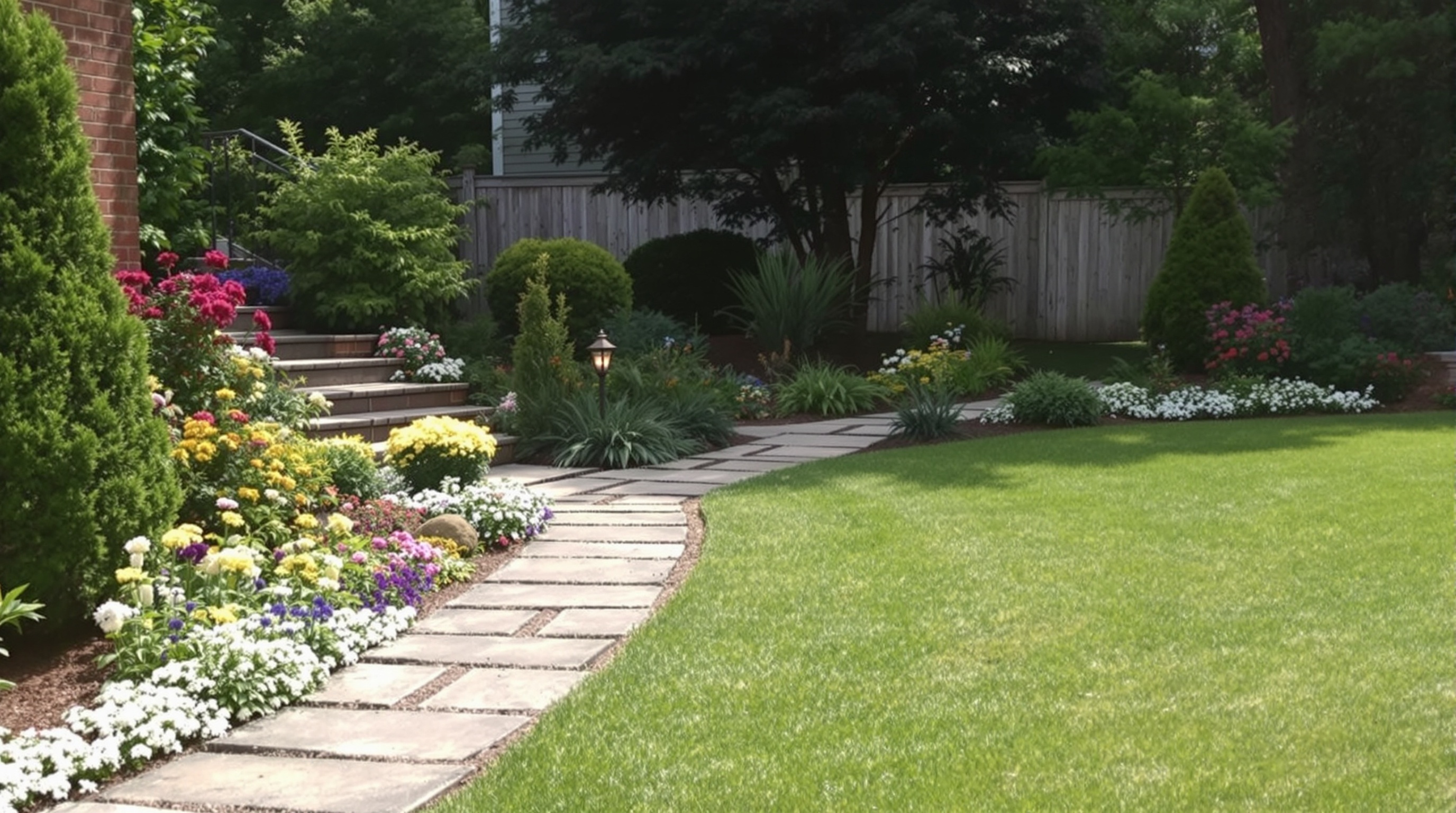
If you don’t want a full system, a hose-end timer and a soaker hose go a long way. I used this setup for a renovation off West Market during a hot June. Plants settled in perfectly until the client decided where permanent lines would make sense.
Mistake 11: Planting invasives that take over
Greensboro’s mild climate lets aggressive plants run. English ivy climbs and strangles trees. Japanese honeysuckle looks quaint, then swallows fences. Nandina berries can be toxic to birds, and the plant self-seeds. Bradford pear, still lingering on older streets, breaks in storms and reseeds wildly.
Plenty of alternatives give the same vibe without the headache. For evergreen coverage, crossvine or native coral honeysuckle climbs politely. If you want a hedge that won’t split in a storm, skip Bradford pears and consider little gem magnolia for sun or a row of upright hollies. For groundcover, dwarf mondo grass or Allegheny spurge fills in without scaling your trees.
Mistake 12: Underestimating maintenance and budget realities
The best landscaping in Greensboro NC doesn’t require a grounds crew, but it does need honest math. A mixed perennial border asks for seasonal cutbacks, dividing every few years, and some hand weeding. A clipped hedge requires regular attention. Naturalistic plantings reduce weeding over time, but they look rough for the first year.
On a remodel near Guilford College, we split the project into zones, finishing the high-visibility front foundation and walkway first, then tackling the backyard entertaining area the next spring. Breaking it up kept standards high and allowed time to watch how water moved and how the family used the space. Staging also meant we could spend on the things that matter underground while avoiding cheap, short-lived fixes.
Planning a yard that works in Greensboro
Start with goals, then match them to the site. If you entertain, you need a stable, shaded surface and good night lighting. If you want pollinators, you need bloom succession from March to October. If a dog rules the lawn, you need durable turf or a pea gravel run.
Take a week to watch your yard. Where does water pool after rain? Which areas bake at 3 p.m.? Where do you automatically walk from the driveway to the door? Those patterns should shape the plan more than any plant list.
I often sketch three layers: structure, movement, and detail. Structure is the bones, the trees, hedges, walls, and patios. Movement is how water, wind, people, and pets travel. Detail is the plant palette, seasonal color, lighting, and accents. When structure and movement are right, details can change seasonally without chaos.
What sets excellent local pros apart
The best landscaping greensboro teams do a few things consistently well. They test soil or at least evaluate texture by hand. They shoot grades and talk frankly about drainage before they talk about roses. They push back on plant choices that won’t last in your microclimate. And they leave you with a simple maintenance plan, not a stack of plant tags.
When I interview contractors for clients, I ask how they handle red clay during wet conditions, what base depth they use under patios, and how they terminate drains. I ask for two addresses I can drive by that are at least three years old. If they’re proud of the work, they’ll share. If they only show fresh installs, be cautious.
A seasonal rhythm that keeps yards thriving here
Spring is for assessment, cleanup, and cautious planting. Aerate fescue, overseed if thin, and feed lightly. Prune deadwood from shrubs after the last hard freeze. Mulch grok.com modestly. Early summer is for irrigation checks, staking new trees, and watching for fungus on turf. Late summer often goes dry. Let lawns go a little dormant rather than watering shallowly every day.
Fall is planting season number one in Greensboro. Soil stays warm, air cools, and roots expand. Plant trees and shrubs, divide perennials, and lay new beds. Winter is when you can prune structure, repair hardscape, and plan. If you want to make a big change, winter design work sets you up to build early spring and plant in fall.
A quick reality check on timelines and costs
For a front foundation refresh with proper bed prep, irrigation tweaks, and a simple path, expect a few thousand dollars depending on size and materials. A full backyard with a patio, walls, and drainage work can range widely. The underground work rarely photographs well, but it’s what makes the pretty parts last. If a bid looks too good to be true, inspect the base materials, the drain outlets, and the soil prep line items. If they’re missing, you’ll pay later.
Two compact checklists to keep you on track
- Drainage first: trace water from roof to exit, fix grade, and confirm an outlet to daylight Planting depth: set root flares above grade, backfill with native soil, water deeply, not daily Soil care: amend with compost, avoid sand in clay, aerate compacted areas Turf choice: match fescue or zoysia to sun and shade, adjust mowing height and feeding by type Maintenance plan: define seasonal tasks now, not after the beds explode with growth Hardscape base: minimum 4 to 8 inches compacted base under pavers, edge restraint, and fabric Erosion control: stone under driplines, use pine straw or larger mulch where water runs Plant selection: choose for Greensboro heat and humidity, avoid invasives, aim for four-season interest Scale and spacing: measure mature width, leave breathing room from foundations and walks Contractor vetting: ask for older project addresses, discuss clay strategy, and inspect drain terminations
A few lived lessons from local projects
A backyard off Friendly was a mud pit after every storm. The owners wanted flagstone quickly. We slowed down and ran grades. The solution ended up being a short retaining wall, a swale disguised as a dry creek, and only then a patio. Six months later, a six-inch deluge tested the yard. The patio stayed true, the creek carried water, and we didn’t lose a single plant.
In Old Irving Park, a client loved hydrangeas and insisted on a shaded hedge beside the driveway. We chose oakleaf hydrangea instead of bigleaf. Oakleaf tolerates drier shade, gives better fall color, and holds structure in winter. Three years in, they’re shoulder-high, bloom generously, and haven’t needed babying. The bigleafs would have sulked, and we would have stared at chewed leaves all summer.
Another homeowner near Adams Farm wanted low maintenance but had an automatic habit of buying rescue plants on sale. We set a rule: nothing goes in the ground without a hole sized and prepped that day, and nothing is planted after 10 a.m. in July. That single boundary cut plant loss to near zero.
How to find your “best” without the hype
“Best” is personal. If you want a show garden, you need a team that loves perennials and understands bloom succession. If you want a bulletproof family yard, you need people who think drainage-first and build patios that don’t budge. Read local reviews, yes, but also look for signs of craft: clean cuts around tree flares, mulch pulled back from trunks, consistent step risers, drains that daylight away from fences, and beds that follow grade instead of fighting it.
If you prefer to DIY, start with one area and do it thoroughly. Fix the water, prep the soil, plant for your microclimate, and give the plants a season to settle. Keep notes. Greensboro teaches you quickly if you listen.
The takeaway for landscaping in Greensboro NC
Our city rewards landscapes that respect water, heat, and clay. Skip the shortcuts, and you can build outdoor spaces that look good in April and still feel solid in January. Pay attention to grading, plant at the right depth, choose species that like the Piedmont, and don’t underestimate base work under patios and walls. Whether you hire out or roll up your sleeves, a little local wisdom turns a problem yard into a place you want to be.
If you aim to create the best landscaping greensboro has to offer on your block, think like a steward first and a stylist second. The style comes easily once the bones are right.